

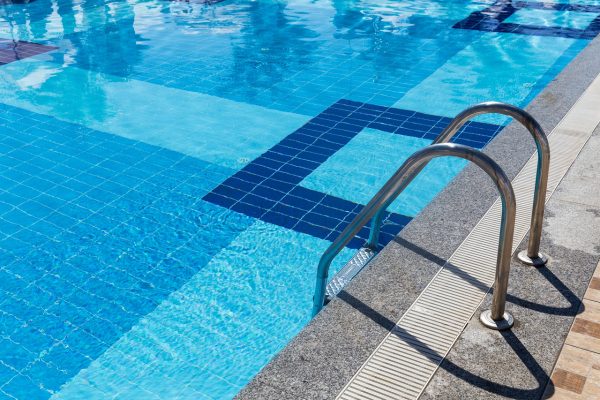
Expert Pool Resurfacing
Progressive Pools understands what you and your pool need. We have plenty of options for pool resurfacing in Holt, MI, that are even better than what your pool was initially built with. Our goal is to make your next swim extra special with our various attractive finishes. We offer a range of possibilities, from simple pastels for a standard whitish look or a spectrum of bold colors for a vibrant finish.
Surface Preparation
When it comes to pool resurfacing, surface preparation cannot be overemphasized. At Progressive Pools, we understand its importance and use our proven method.
Surface preparation depends on the bond between the old and new surfaces. This plays a key role in the new pool surface’s durability, longevity, and performance.
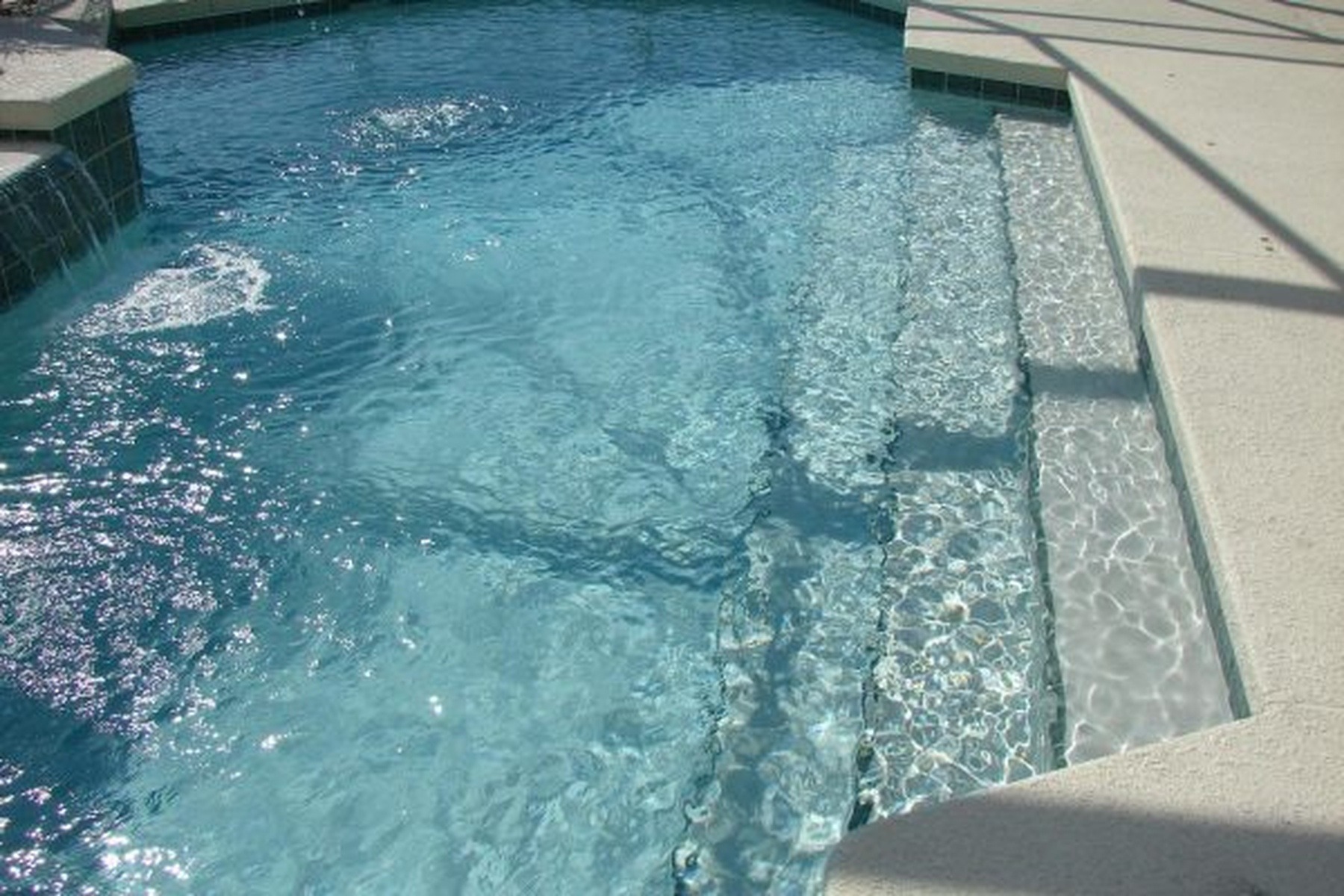
Our Process
First, we will begin by performing a full and comprehensive assessment of your pool. We will determine the extent of the damage and degradation. Then, our pool technicians will develop a game plan for your repairs. You can also choose from a range of styles and colors.
We start by draining and relieving the hydrostatic pressure. This step is very important because the pool can crack or pop out of the ground from the groundwater pressure if the hydrostatic pressure is not relieved.
If the marcite is solid and adhered to the pool shell, we have two options: bond coat and ultra-high-pressure water blasting.
If the marcite is loose with hollow spots, then we have to remove the loose surface with the ultra-high-pressure water blasting. Lastly, we repair minor chips, cracks, and other defects that could compromise the pool’s integrity.
Guidelines for Newly Plastered Pools
- A pool needs to be filled within 24 hours after it is resurfaced.
- Do not allow pets or anyone in the pool for 2 days.
- Brush the entire pool surface once or twice a day for at least 14 days after plastering. Brush carefully and use a backwash filter when the pressure rises to remove plaster dust.
- Balance the pool water and test daily for 30 days. Run a pump and filter for 30 days after plastering.
- PH should be kept between 7.4 and 7.6.
- Alkalinity should be kept between 80 and 120.
- Keep calcium hardness between 200 and 400 parts per million.
- The chlorine level should be kept according to the test kit recommendations.
- The cyanuric acid level should be kept between 15 to 30 parts per million. If the cyanuric acid level exceeds 50 parts per million, drain about 2 feet of water from the pool and add potable water back into the pool.
- We recommend you do not turn the pool heater on for at least 2 weeks after plaster application.
- We recommend you do not use any waterfalls or fountains unless necessary until the startup is complete.
- If you are using a salt chlorinator, we recommend you do not add salt for 30 days after plaster is applied.
- We recommend you do not use a wheel vacuum for a couple of weeks. It can leave marks on your beautiful new surface.